01The backbone of the PC
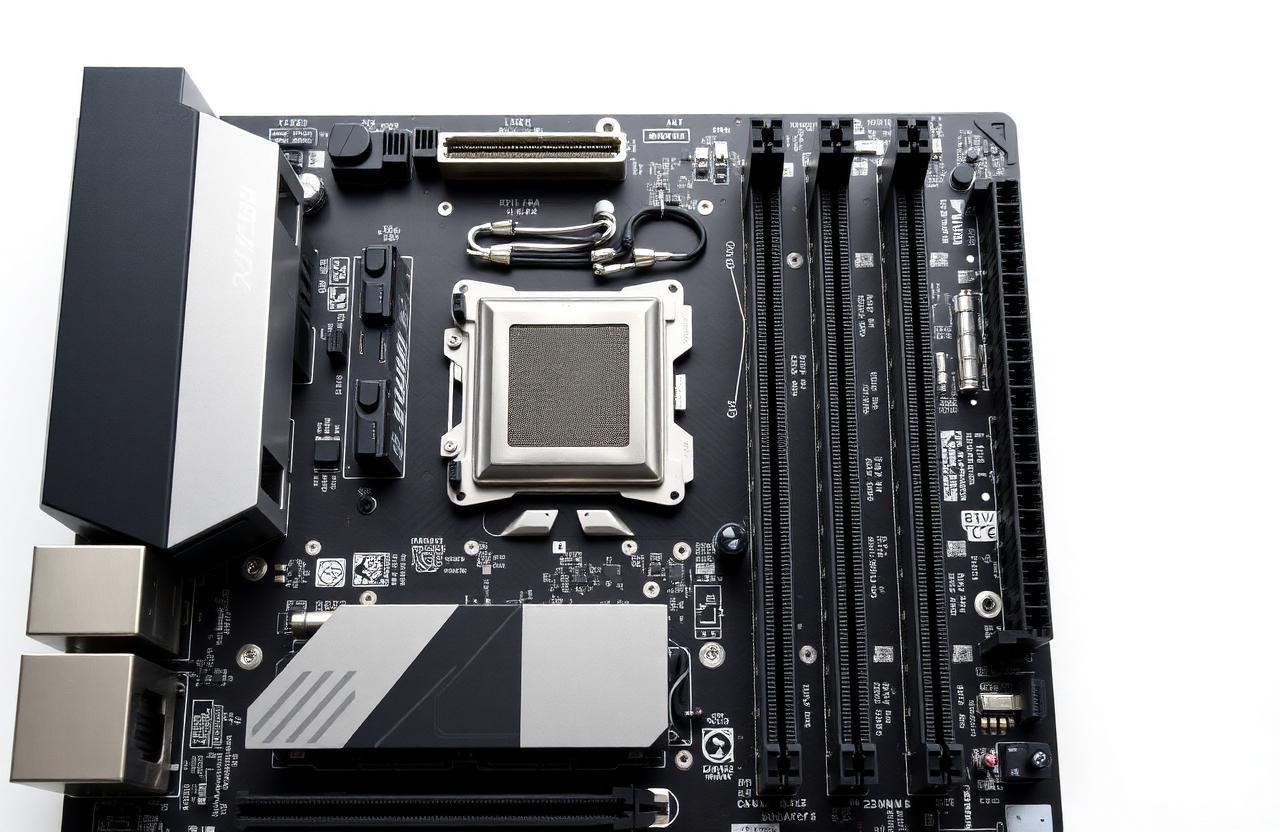
The motherboard is the printed circuit board that physically and electrically connects every part of your computer. It dictates which CPU you can install, how much RAM, how many drives and how many expansion cards.
02The chipset
The chipset is a controller chip that talks to the CPU and routes peripherals. Higher tiers (Z, X) unlock overclocking and more PCIe/USB lanes; budget tiers (B, H, A) save money by removing those features.
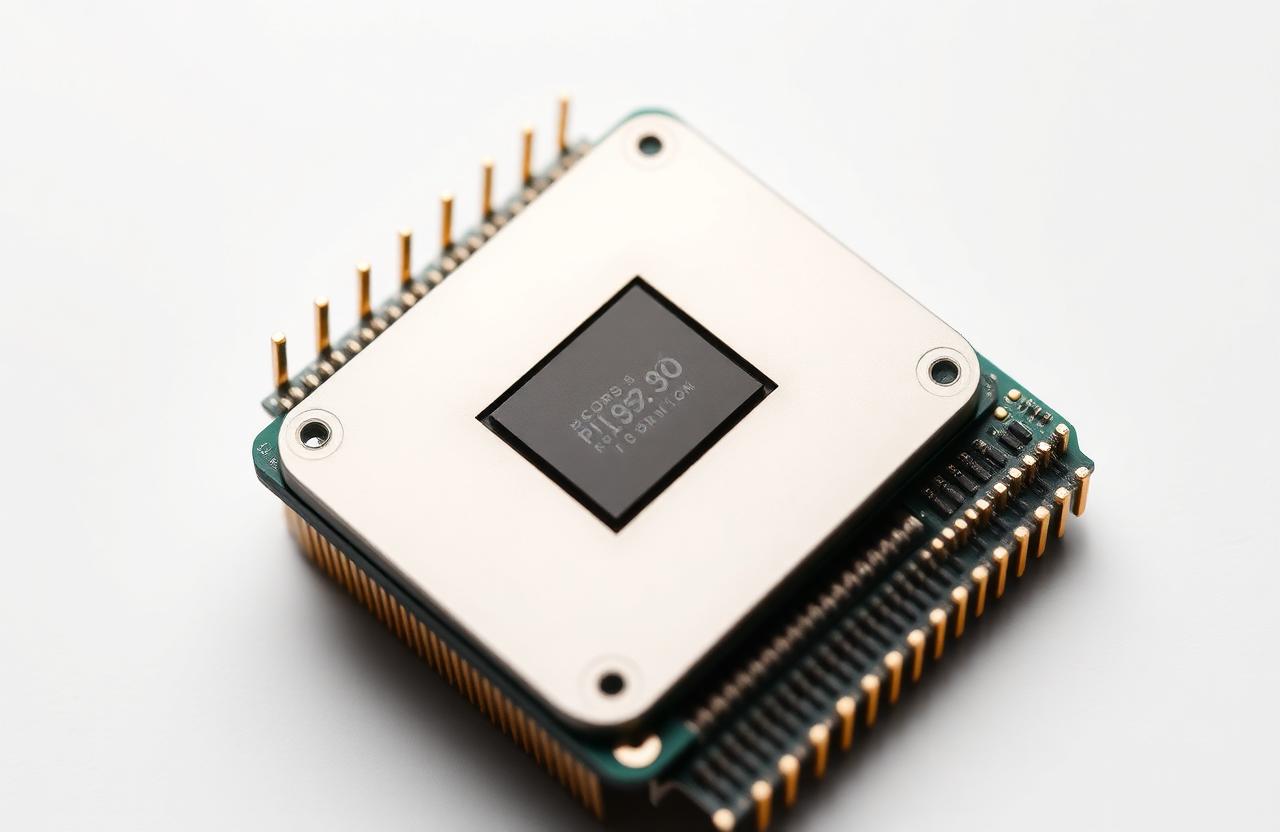
03Sockets and CPU support
- AM5 — modern AMD Ryzen 7000/9000.
- AM4 — older Ryzen, still great value.
- LGA1700 — Intel 12/13/14th gen.
- LGA1851 — Intel Core Ultra.
- Always check the QVL before buying a CPU.
04RAM, PCIe and M.2
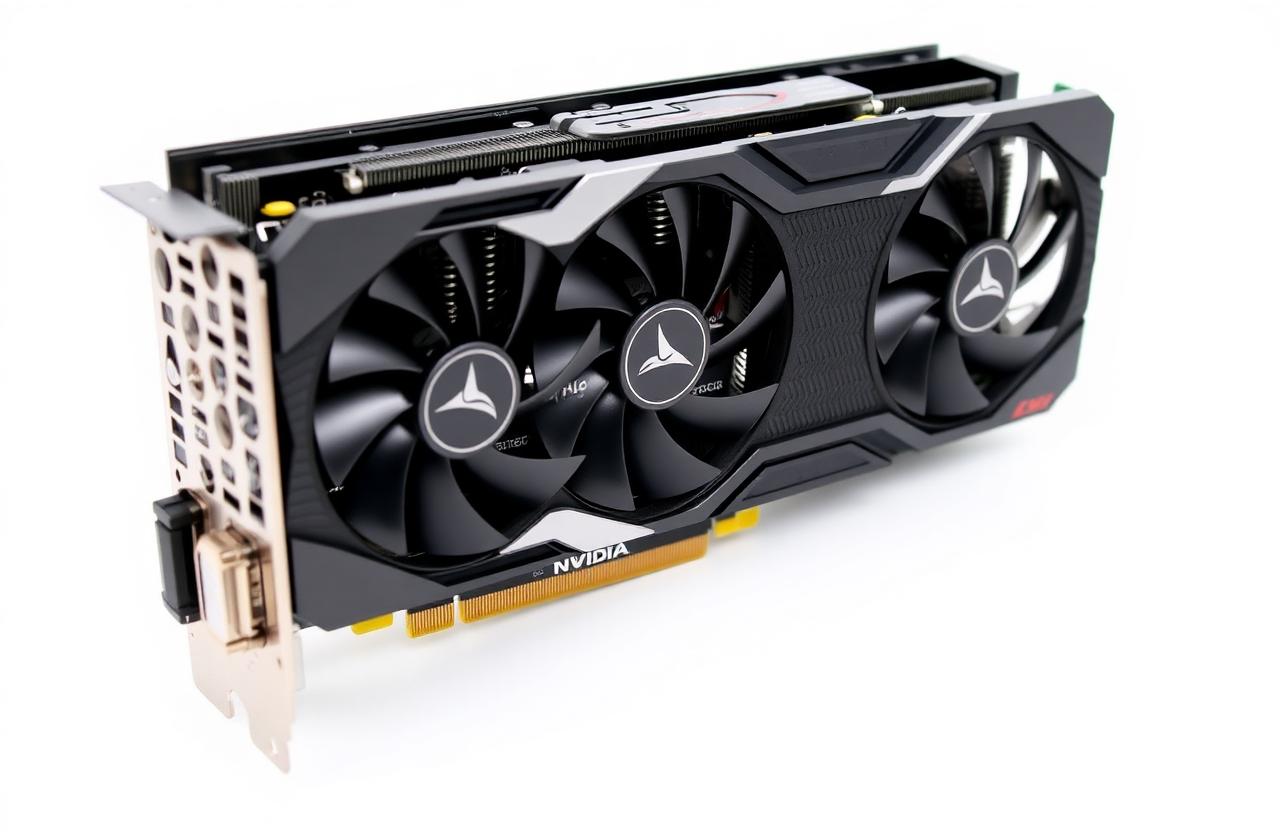
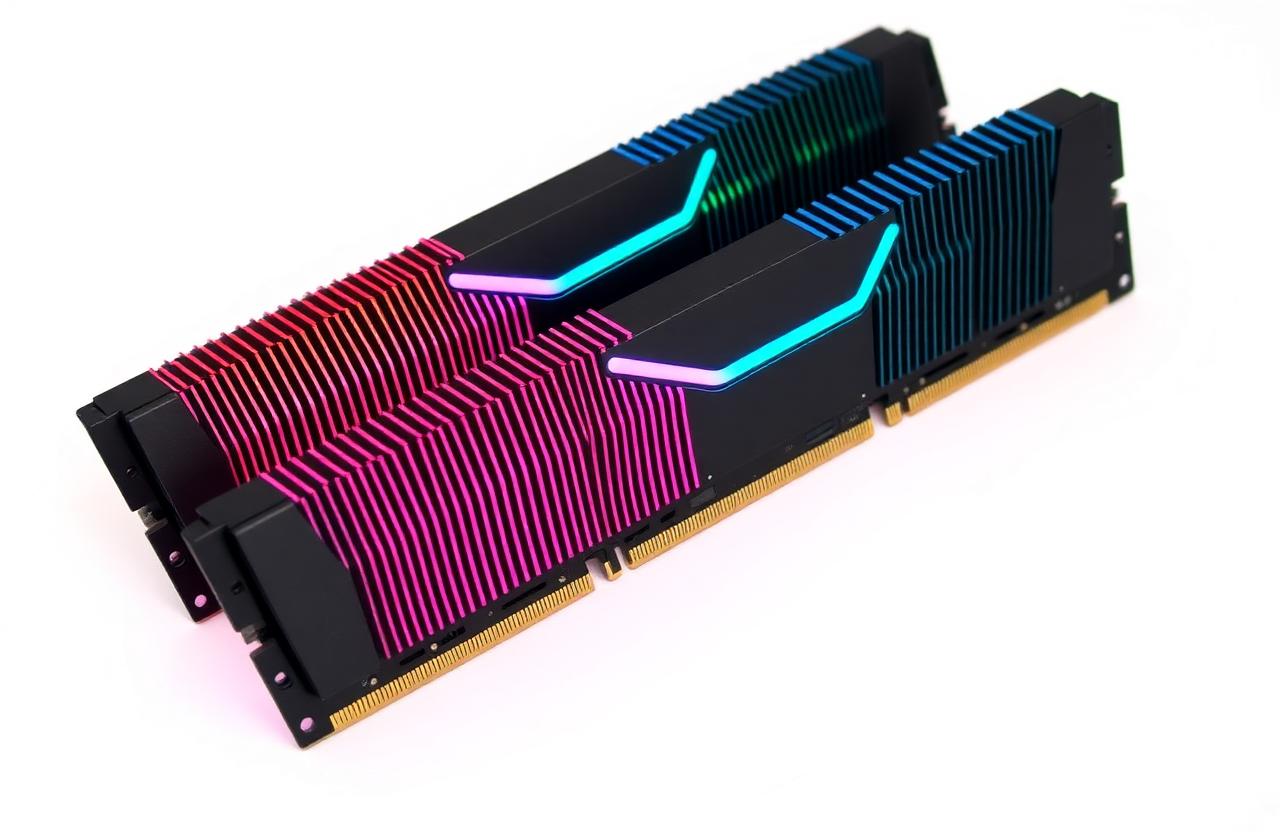
RAM slots come in pairs for dual-channel — populate matching slots. PCIe slots host GPUs and expansion cards (PCIe 5.0 x16 is current). M.2 slots host fast NVMe SSDs directly on the board.
05VRM and power
The VRM (Voltage Regulator Module) feeds clean power to the CPU. A weak VRM bottlenecks high-end CPUs and runs hot. Look for boards with chunky heatsinks if you're running a 12+ core CPU.
06Form factors
- E-ATX — huge, workstation builds.
- ATX — standard tower.
- Micro-ATX — smaller, fewer slots.
- Mini-ITX — tiny, one expansion slot.